
Jakob Mandlbauer Hospitalized After Horrific Olympic Bobsleigh Crash
Jakob Mandlbauer Hospitalized After Horrific Olympic Bobsleigh Crash
Jakob Mandlbauer Hospitalized After Horrific Olympic Bobsleigh Crash. Austrian bobsledder Jakob Mandlbauer was hospitalized on Saturday after surviving a frightening crash during a four-man bobsleigh run at the Winter Olympics, an incident that stunned spectators and fellow athletes but, remarkably, did not result in serious injury.
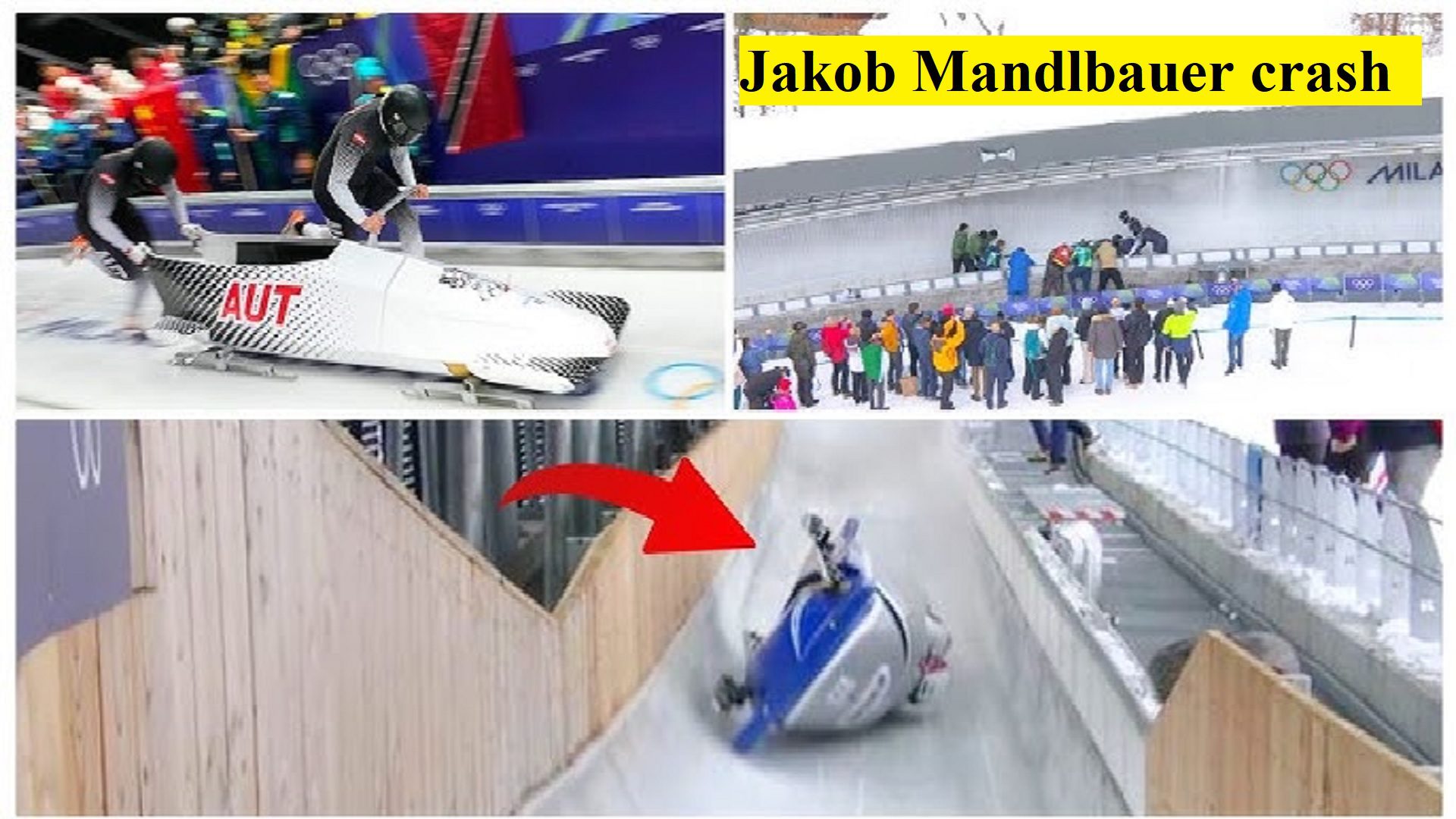
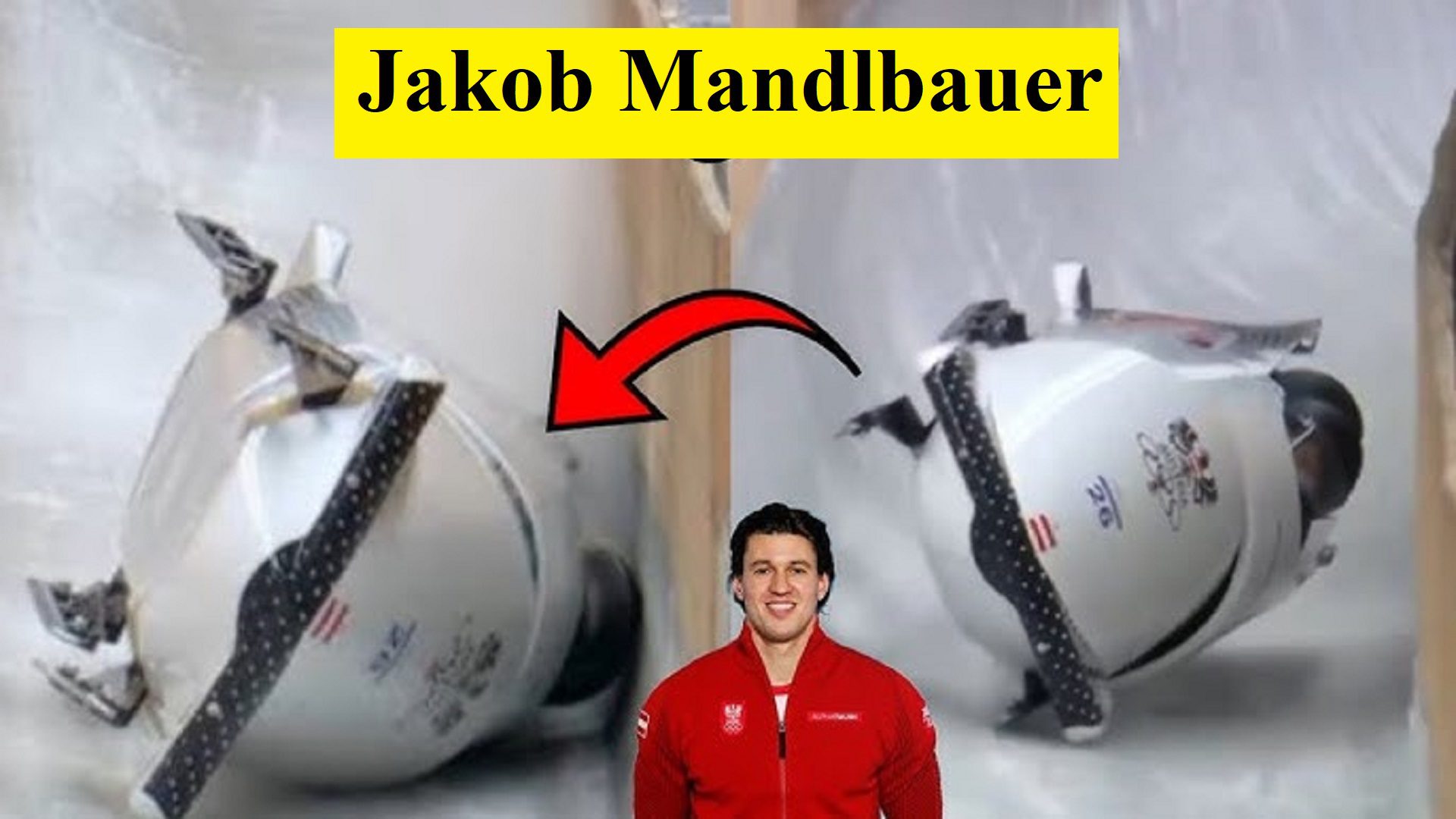
Mandlbauer was piloting the Austrian sled when it lost control at high speed, flipped on the track, and slid along the ice. During the crash, Mandlbauer was dragged with the overturned sled, with his helmeted head striking the track wall before the sled came to a stop, according to broadcast reports from the venue.
Medical staff rushed to the scene within seconds. Mandlbauer was examined on the track, placed on a stretcher, and transported to a hospital in Cortina for further evaluation.
Athlete Conscious After High-Speed Impact
Initial concerns focused on potential head or spinal injuries, given the violent nature of the crash and the extreme speeds involved in Olympic bobsleigh, which can reach up to 90 miles per hour.
An Austrian teammate later told reporters that Mandlbauer was alert and conscious following the incident, moving both his hands and legs. That update was later echoed in coverage by NBC News, which cited comments from team officials and eyewitness accounts.
While Mandlbauer remained hospitalized for observation, early reports suggested he had avoided life-threatening injuries—an outcome widely described by athletes and commentators as fortunate.
Fellow Competitors React With Concern
The crash drew an immediate response from competitors across nations, underscoring the close-knit nature of the bobsleigh community.
British bobsledder Greg Hackett told BBC Sport that his thoughts were with the Austrian team, emphasizing the inherent dangers of the sport.
“It’s a serious thing,” Hackett said. “We’re here to compete, but we’re all mates. You never want to see anyone go down like that, especially at the Olympics.”
Hackett added that while competition is intense, athlete safety remains paramount, and crashes of this severity resonate deeply within the sliding sports community.
Track Under Scrutiny After Multiple Incidents
Austrian teammate Daniel Bertschler revealed that the team had also crashed at the same turn during training earlier in the week. While no official concerns have been raised by organizers, the disclosure drew attention to the technical difficulty of that section of the track.
Images from the scene showed the sled tilted on its side against an icy wall marked with “MILANO CORTINA” and the Olympic rings, a stark visual that quickly circulated across international broadcasts and social media.
Olympic bobsleigh tracks are engineered to balance speed and safety, but even minor miscalculations in steering, ice conditions, or sled setup can have dramatic consequences. Officials typically review telemetry data and video footage following major incidents to determine whether any adjustments are necessary.
Why Bobsleigh Crashes Are So Severe
Bobsleigh is among the fastest events in the Winter Olympics, often compared to motorsport due to the combination of speed, precision, and limited margin for error.
Athletes experience intense G-forces through tight curves, and sleds offer little room for correction once instability begins. Unlike many sports, there are no brakes; control depends entirely on steering accuracy and track design.
Despite modern safety equipment, including reinforced sleds and advanced helmets, crashes at full speed can be violent. The Mandlbauer incident highlighted just how quickly a routine run can turn dangerous.
Medical Protocols and Rapid Response
The swift medical response was credited with ensuring Mandlbauer received immediate care. Olympic venues maintain specialized medical teams trained to handle high-impact injuries common in sliding sports.
Standard protocol following such crashes includes neurological assessment, spinal precautions, and hospital observation, even when the athlete appears responsive. Officials have not provided a timeline for Mandlbauer’s discharge or potential return to competition.
Psychological Impact Beyond Physical Injuries
While Mandlbauer’s physical condition dominated early coverage, athletes and coaches also acknowledged the psychological impact of such incidents. Teammates must often return to the same track within hours, confronting the memory of the crash while maintaining focus and confidence.
In elite competition, mental resilience is considered as critical as physical readiness, particularly in high-risk disciplines like bobsleigh.
A Sobering Reminder at the Olympics
The Jakob Mandlbauer crash served as a sobering reminder of the risks behind the spectacle of the Winter Olympics. While the sport delivers speed and excitement, it also demands respect for its dangers.
That Mandlbauer emerged conscious and responsive was widely viewed as a positive outcome in an otherwise alarming moment. Officials and team representatives emphasized that his health remains the priority over any competitive considerations.
As investigations into the incident continue and Mandlbauer recovers under medical supervision, the focus across the bobsleigh world remains on athlete safety—an issue that briefly but powerfully took center stage on the Olympic track.