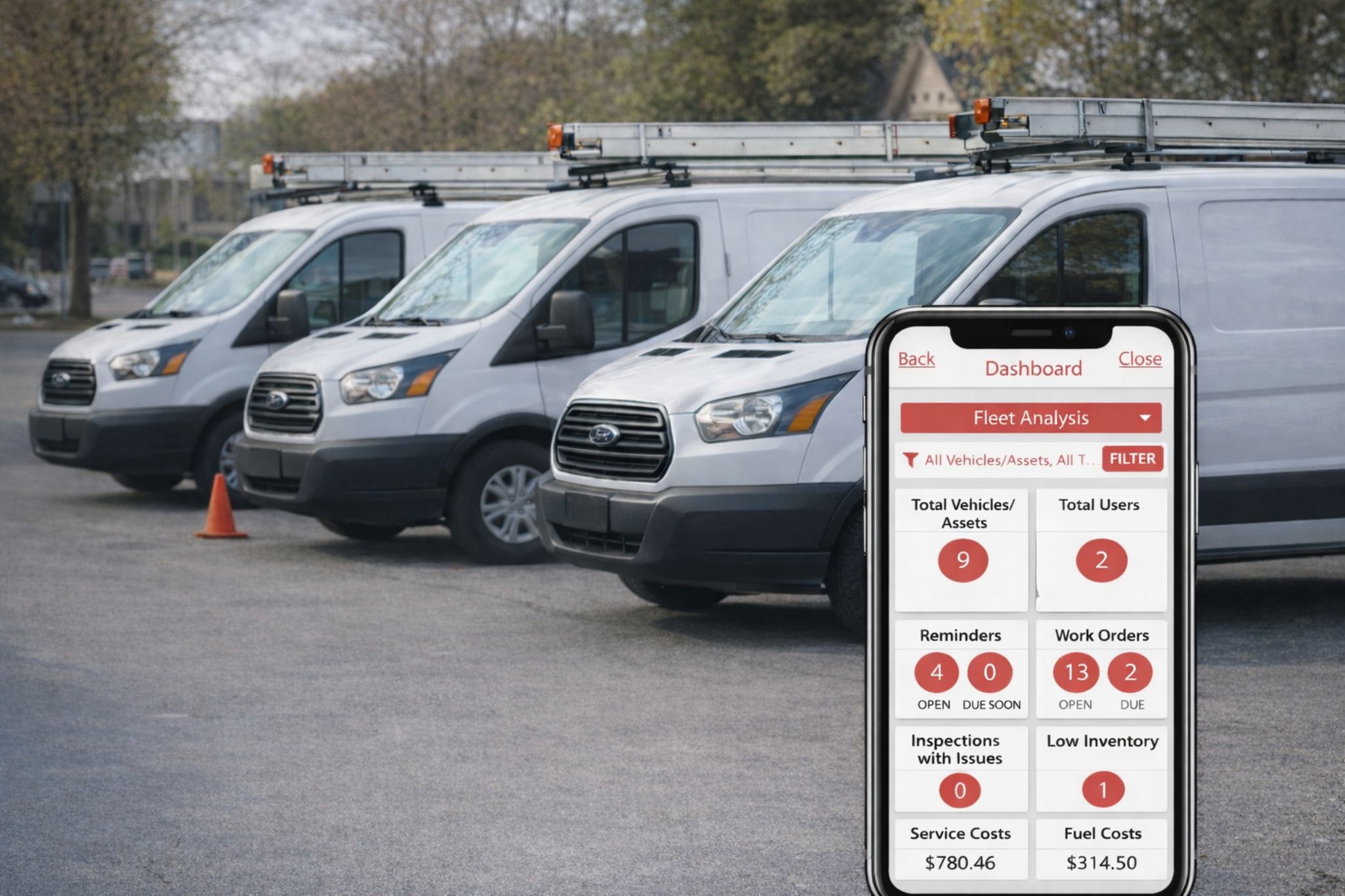
Fleet maintenance software plays a vital role in helping businesses efficiently manage and maintain their vehicle fleets. Organizations that rely on vehicles for transportation, deliveries, logistics, construction, or field services must ensure that their vehicles remain in excellent working condition. Without proper maintenance management, fleets can suffer from unexpected breakdowns, costly repairs, and operational delays. Fleet maintenance software provides a structured and proactive approach to handling vehicle servicing, inspections, and repair schedules, ensuring that every vehicle in a fleet operates reliably and safely.
One of the primary benefits of fleet maintenance software is its ability to centralize all vehicle maintenance information in a single digital platform. Fleet managers can store and access detailed records for each vehicle, including maintenance history, service dates, repair records, parts replacements, warranty information, and inspection reports. Instead of relying on paper documents or scattered spreadsheets, businesses can use this centralized system to monitor the condition of their entire fleet at a glance. This organized approach not only saves time but also ensures that no critical maintenance task is overlooked.
Another important feature of fleet maintenance software is automated service reminders. Vehicles require regular maintenance such as oil changes, tire rotations, brake inspections, engine diagnostics, and fluid checks. If these tasks are not performed on time, the vehicle’s performance may deteriorate and lead to serious mechanical problems. Fleet maintenance software tracks mileage, engine hours, or time intervals and automatically sends alerts when a vehicle is due for servicing. These reminders allow fleet managers to schedule maintenance proactively rather than reacting to sudden failures.
By ensuring that preventive maintenance tasks are completed on schedule, fleet maintenance software significantly reduces the risk of unexpected breakdowns. Breakdowns can cause major disruptions to business operations, especially for companies that depend on vehicles to deliver goods or provide services. When a vehicle becomes inoperable on the road, it can lead to missed deadlines, dissatisfied customers, and additional expenses such as towing or emergency repairs. With proper maintenance scheduling, businesses can keep vehicles running smoothly and minimize costly downtime.
In addition to reducing breakdowns, fleet maintenance software helps extend the overall lifespan of vehicles. Vehicles are valuable assets, and replacing them frequently can be a major financial burden for businesses. Regular maintenance ensures that critical components such as engines, transmissions, brakes, and suspension systems remain in good condition. When minor issues are detected early and repaired promptly, they are less likely to develop into severe mechanical failures. As a result, vehicles can remain operational for a longer period, allowing companies to maximize the return on their investment.
Fleet maintenance software also plays a crucial role in improving safety and regulatory compliance. Many industries must follow strict safety standards and government regulations related to vehicle inspections and maintenance. For example, commercial vehicles often require routine safety checks to ensure that brakes, lights, tires, and other critical systems are functioning properly. Fleet maintenance software helps businesses maintain accurate inspection records and ensures that required checks are completed on time. This not only enhances driver safety but also helps organizations avoid fines, penalties, or legal complications caused by non-compliance.
Another advantage of fleet maintenance software is cost control. Vehicle repairs can be expensive, especially when issues are detected too late. Emergency repairs, replacement parts, and labor costs can quickly accumulate. By implementing a preventive maintenance strategy, businesses can identify small problems before they become major repairs. Fleet maintenance software allows managers to track maintenance expenses, analyze repair trends, and monitor the cost of operating each vehicle. These insights help businesses make informed decisions about when to repair, replace, or retire vehicles from the fleet.
Furthermore, fleet maintenance software improves operational efficiency by streamlining communication between fleet managers, drivers, and maintenance technicians. Drivers can report vehicle issues directly through the system, allowing managers to schedule inspections or repairs immediately. Maintenance teams can access work orders, track repair progress, and update service records within the same platform. This improved communication reduces delays and ensures that maintenance tasks are completed quickly and accurately.
Modern fleet maintenance solutions often integrate with other fleet management tools such as GPS tracking, fuel management systems, and driver behavior monitoring. These integrations provide a comprehensive view of fleet performance. For instance, if GPS data shows that a vehicle is experiencing excessive engine idle time or harsh driving behavior, managers can investigate whether additional maintenance is required. By combining maintenance data with operational insights, businesses can optimize the performance and reliability of their fleets.
In addition, many fleet maintenance platforms provide detailed reports and analytics. Managers can generate reports on maintenance schedules, repair costs, vehicle downtime, and asset utilization. These reports help identify patterns and areas for improvement. For example, if certain vehicles require frequent repairs, it may indicate aging equipment or improper usage. Businesses can use this information to improve maintenance strategies, adjust driver training programs, or plan future fleet upgrades.
Ultimately, fleet maintenance software is an essential tool for businesses that depend on vehicles to support their daily operations. It provides a proactive and organized approach to managing vehicle servicing, inspections, and repairs. By tracking maintenance history, sending automated reminders, and providing valuable insights into fleet performance, this technology helps businesses reduce breakdowns, minimize downtime, and control repair costs. At the same time, it improves vehicle safety, extends asset lifespan, and supports regulatory compliance.
As fleets grow larger and operations become more complex, manual maintenance tracking becomes increasingly difficult and inefficient. A fleet management system simplifies this process by automating tasks, centralizing information, and providing real-time visibility into vehicle health. For organizations that want to improve reliability, reduce operational risks, and maintain a high level of service, investing in fleet maintenance software is a smart and strategic decision.