Is a Handicap Estimator Worth It? How Golfers Can Measure Skill
Claimed
Average Reviews
Description
Golf is a rare sport where improvement isn’t judged solely by wins and losses. Instead, progress is measured by consistency, scoring ability, and how well you manage the course. The handicap system exists to level the playing field, but not every golfer needs—or wants—an official handicap right away. That’s where a handicap estimator becomes a valuable tool.
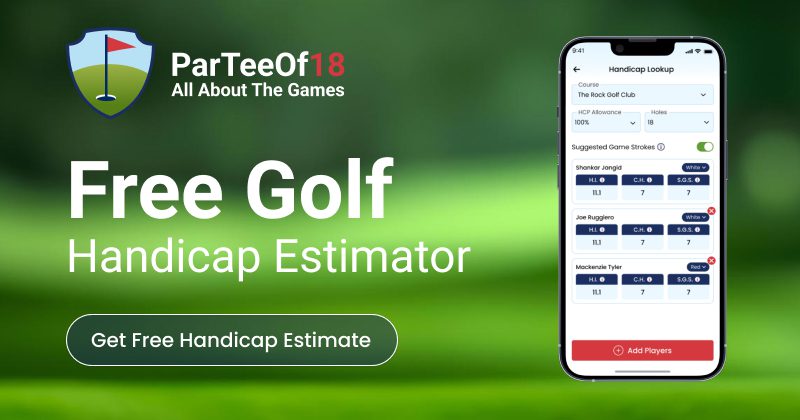
A handicap estimator helps golfers understand their true playing level without the formal requirements of an official handicap. If you’ve ever questioned whether your scores reflect real improvement or simply a good day on the course, this guide explains why a handicap estimator may be exactly what you need.
The Core Purpose of a Handicap Estimator
A handicap estimator is designed to provide an informed estimate of a golfer’s current scoring ability. It bridges the gap between casual scorekeeping and formal handicap registration. Rather than relying on assumptions or outdated rounds, it focuses on recent performance and course difficulty.
The main objective isn’t to create a perfect number—it’s to provide direction. Golfers use handicap estimators to:
Understand their current level of play
Track improvement trends over time
Set realistic scoring goals
Make smarter decisions during rounds
For golfers who play recreationally or inconsistently, a handicap estimator offers clarity without commitment.
Why Many Golfers Delay Getting an Official Handicap
An official handicap index requires consistent score posting, course ratings, slope ratings, and often club or association membership. For many golfers, this feels unnecessary early in their golfing journey.
Common reasons golfers delay include:
Playing infrequently or casually
Not competing in tournaments
Feeling “not good enough yet”
Wanting to improve before formal registration
A handicap estimator removes these barriers, allowing golfers to benefit from performance tracking without the pressure of official oversight.
How a Handicap Estimator Works Behind the Scenes
Performance-Based Scoring Inputs
Handicap estimators rely on realistic data to generate meaningful results. Most tools consider:
Scores from recent rounds
Course rating and slope
Consistency across multiple scores
Optional statistics such as fairways hit or putting efficiency
By prioritizing recent rounds, the estimator reflects how you are playing now, not how you played during a peak or slump months ago.
Simplified Handicap Calculations
Unlike official handicap systems, estimators use simplified formulas inspired by World Handicap System principles. These formulas typically:
Adjust scores based on course difficulty
Emphasize better rounds more than poor ones
Reduce the impact of unusually high scores
This approach delivers a practical and fair estimate without administrative complexity.
How Handicap Estimators Help Golfers Improve Faster
Turning Scores into Useful Feedback
Posting scores alone doesn’t guarantee improvement. A handicap estimator transforms raw numbers into meaningful feedback, helping golfers understand whether changes in practice or strategy are actually working.
When scores improve consistently, the estimated handicap reflects that progress, reinforcing positive habits.
Supporting Structured Practice
Golfers practicing with purpose benefit greatly from estimators. Whether you’re working on swing mechanics, short game control, or course management, an estimator shows how those efforts affect scoring potential.
This makes practice more focused and efficient.
Building Confidence Through Realistic Expectations
One of the biggest challenges in golf is managing expectations. Many golfers become frustrated by aiming for scores beyond their current ability.
A handicap estimator helps by:
Setting realistic scoring targets
Encouraging smarter shot selection
Reducing emotional reactions to bad holes
When expectations align with skill level, confidence improves—and confident golfers score better.
Ideal Use Cases for a Handicap Estimator
Beginners Learning the Game
New golfers often lack consistency and round volume. A handicap estimator allows beginners to:
Measure progress early
Stay motivated through visible benchmarks
Improve without competitive pressure
It offers structure without intimidation.
Casual and Weekend Golfers
Golfers who play occasionally may never need an official handicap. Estimators provide enough insight to track improvement and enjoy fair matches with friends.
Returning Golfers
Players coming back after a long break often struggle to gauge their current ability. A handicap estimator quickly recalibrates expectations and helps avoid frustration.
Comparing Performance Across Different Courses
Golf courses vary significantly in length, layout, and difficulty. A score alone doesn’t reveal whether a round was truly good or poor.
Handicap estimators account for:
Course rating
Slope difficulty
Relative scoring challenge
This allows golfers to compare rounds fairly, even when played on different courses or under varying conditions.
Using a Handicap Estimator Before Competitive Play
Preparing for Leagues and Friendly Tournaments
Before entering a league or informal competition, many golfers want a realistic sense of where they stand. A handicap estimator helps players:
Choose suitable competition levels
Avoid unrealistic expectations
Prepare mentally for pressure situations
Knowing your approximate handicap reduces anxiety and increases enjoyment.
Transitioning to an Official Handicap
For golfers planning to register for an official handicap, estimators act as a preview. They help players understand what their official number might look like and determine when they’re ready for formal competition.
Handicap Estimator vs. Official Handicap: Understanding the Difference
When a Handicap Estimator Is Enough
A handicap estimator is suitable for:
Casual rounds with friends
Personal progress tracking
Practice and improvement phases
Non-sanctioned events
When an Official Handicap Becomes Necessary
An official handicap is required when:
Playing in sanctioned tournaments
Competing in club championships
Needing verified scoring for fairness
Many serious golfers use both systems together for maximum insight.
Best Practices for Accurate Handicap Estimation
To get the most reliable results:
Enter recent and honest scores
Include course rating and slope data
Update regularly as form changes
Treat the estimate as guidance, not a label
Consistency and accuracy in data entry lead to meaningful insights.
Common Misunderstandings About Handicap Estimators
“They’re not accurate enough to matter.”
Accuracy improves with consistent and realistic inputs.
“They’re only for beginners.”
Many experienced golfers rely on estimators for short-term tracking.
“They replace official handicaps.”
They are designed to complement, not replace, official systems.
Understanding these points ensures estimators are used correctly and confidently.
Long-Term Value of Using a Handicap Estimator
Even golfers with official Handicap Estimator often continue using estimators because they:
Provide immediate performance feedback
Encourage accountability between rounds
Keep improvement goals clear and measurable
Over time, this leads to smarter practice and better scoring habits.
Final Thoughts: Should You Rely on a Handicap Estimator?
If your goal is to improve steadily, play smarter golf, and understand your real ability, a handicap estimator is absolutely worth using. It delivers insight without pressure and structure without obligation.
While it doesn’t replace an official handicap, it plays an essential role in helping golfers:
Measure progress accurately
Make better on-course decisions
Build confidence before competitive play
For golfers focused on growth rather than labels, a handicap estimator is a powerful and practical companion.